Home Defence& Room Clearing
Close-quarters training for the real South African home invasion fight.
Learn how to move, think and fight inside your own home — in the dark, under pressure, with your family in the house.
Close-quarters training for the real South African home invasion fight.
Learn how to move, think and fight inside your own home — in the dark, under pressure, with your family in the house.
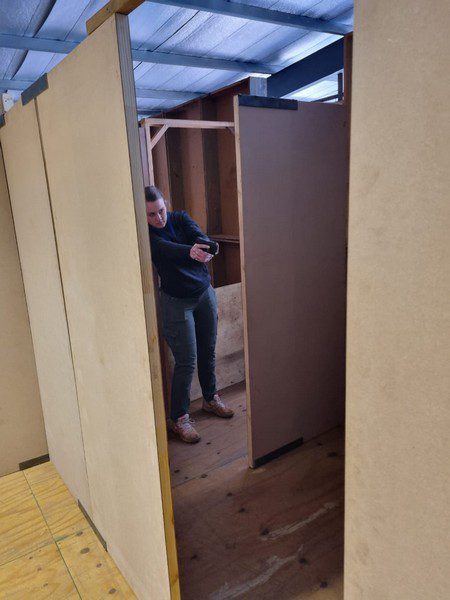
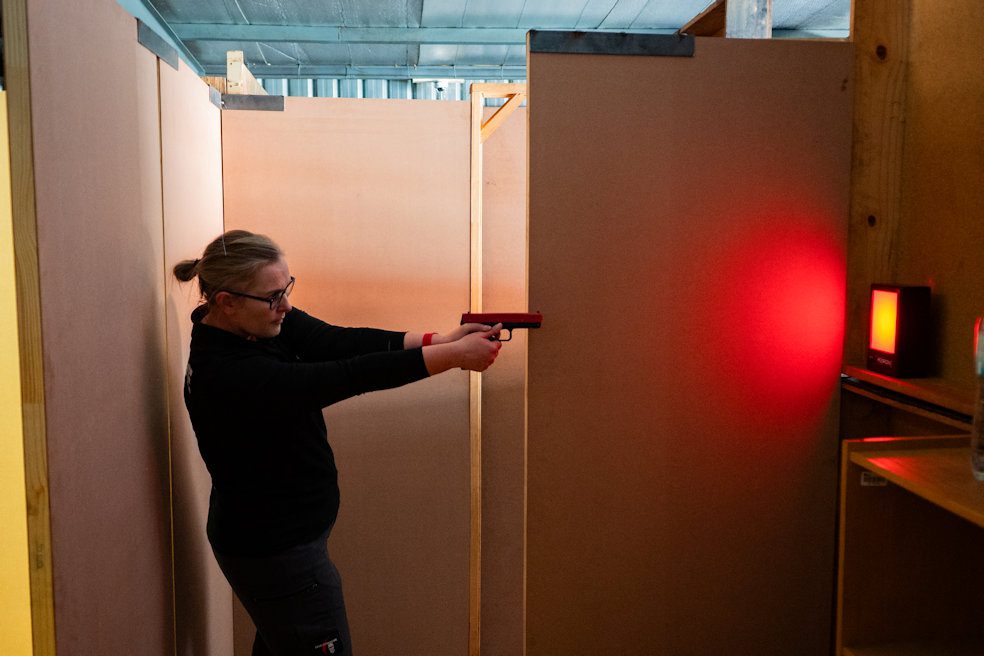
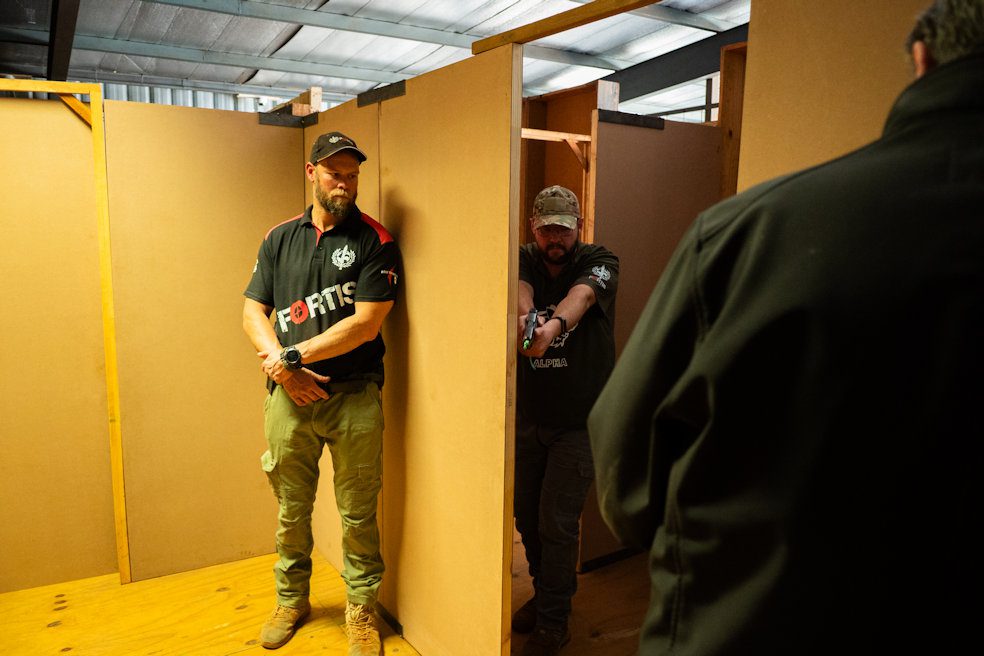
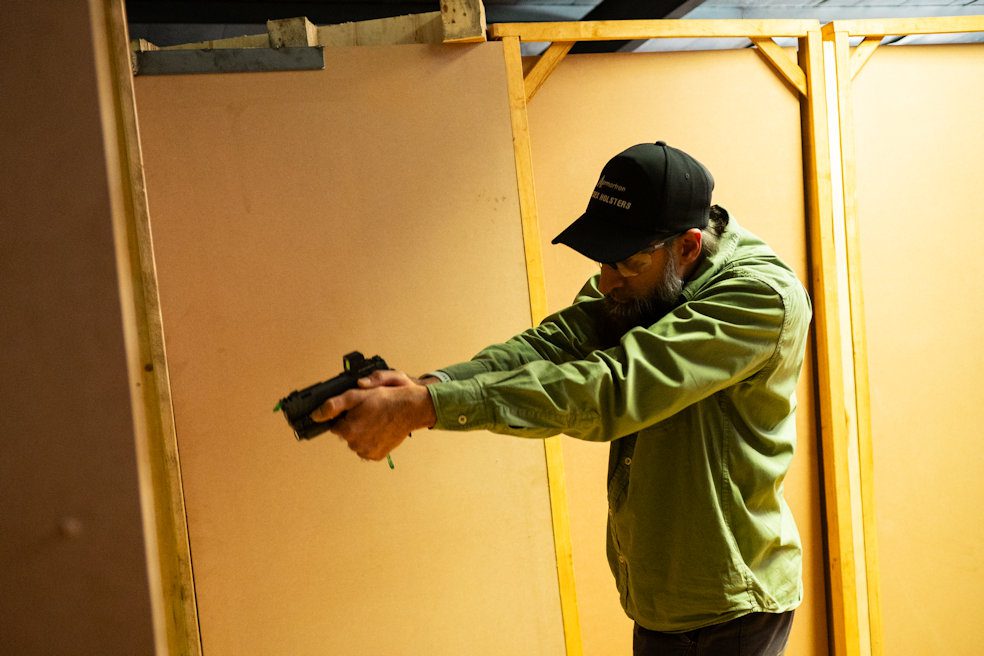
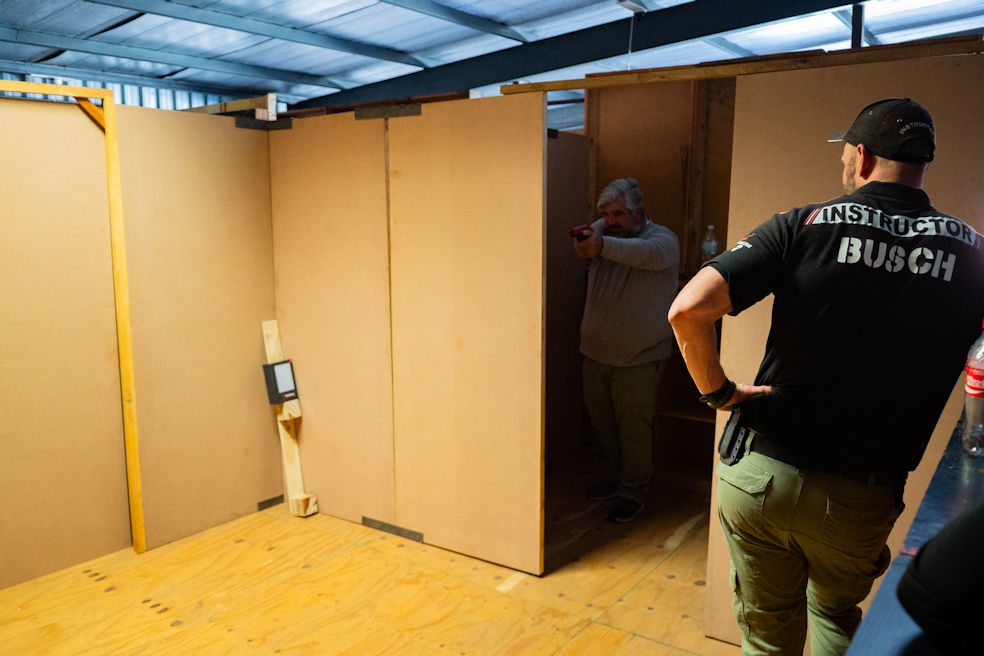
Inside The Killhouse
Every building, every corner, every doorway — violence happens fast and up close.
Here’s how we train ordinary firearm owners and security teams to fight back effectively.
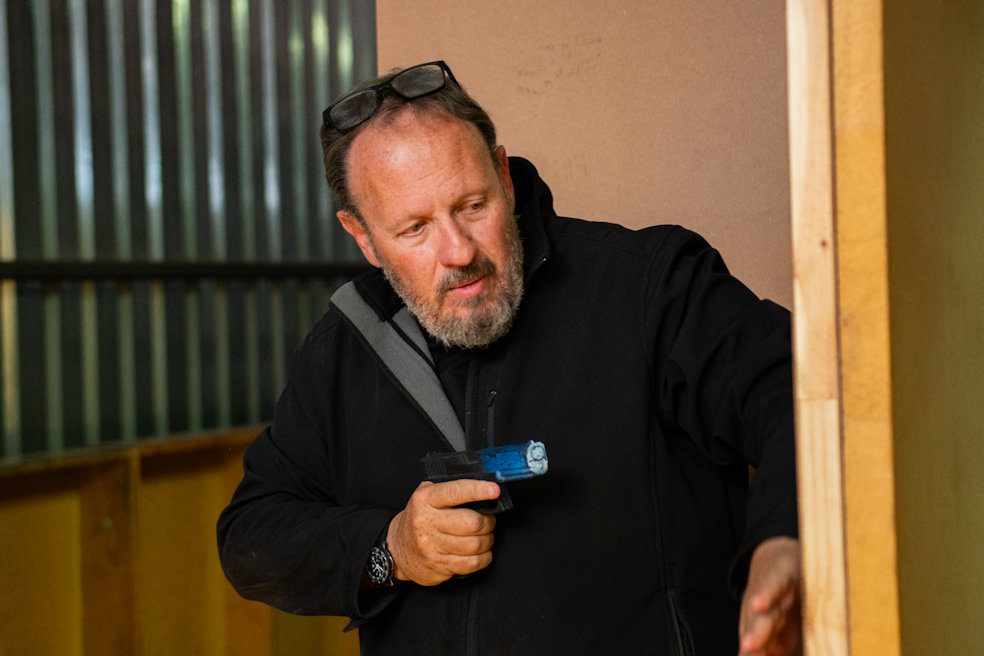
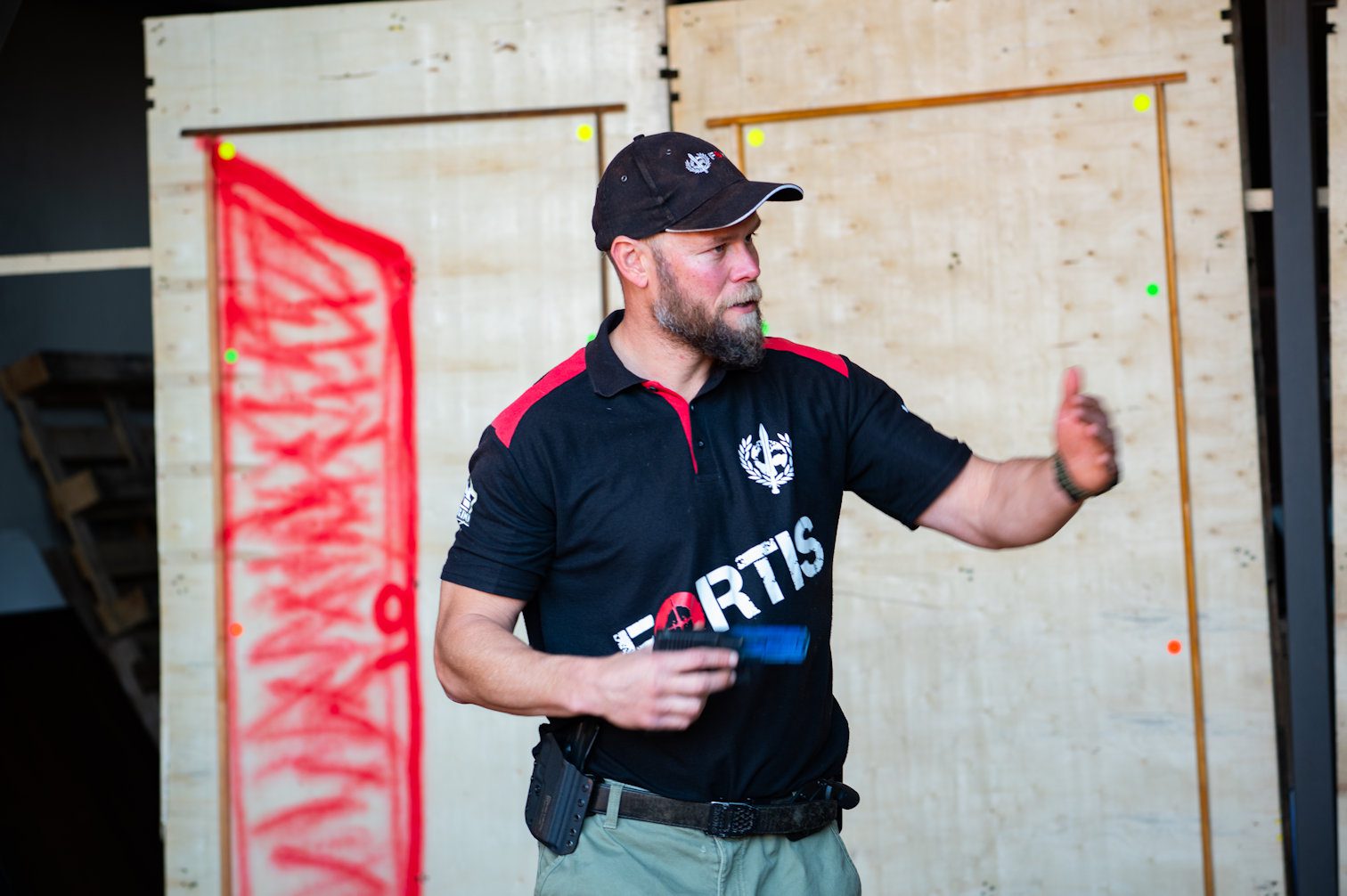
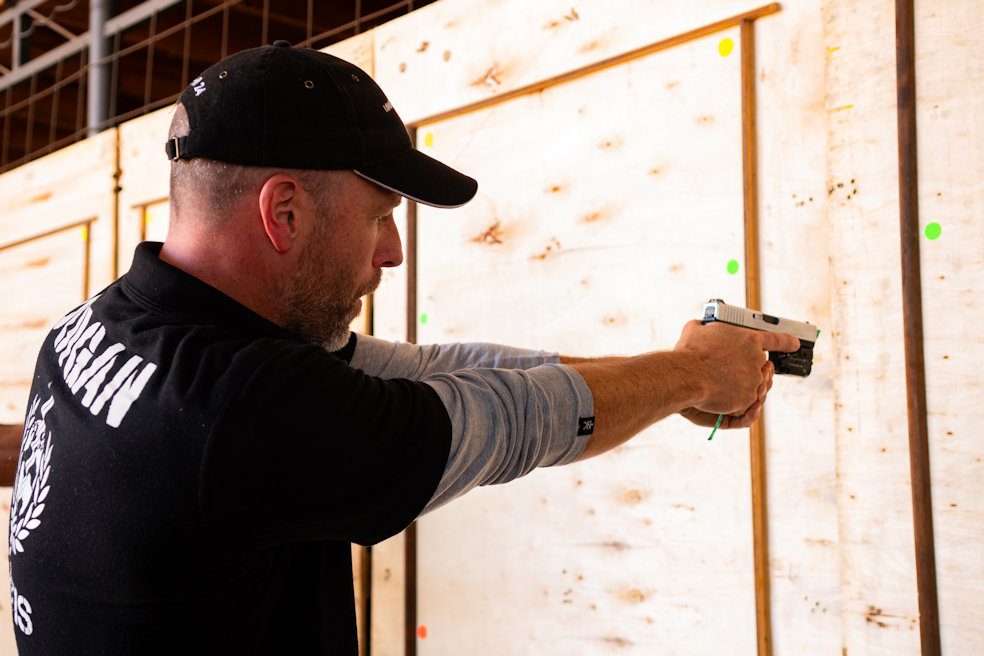
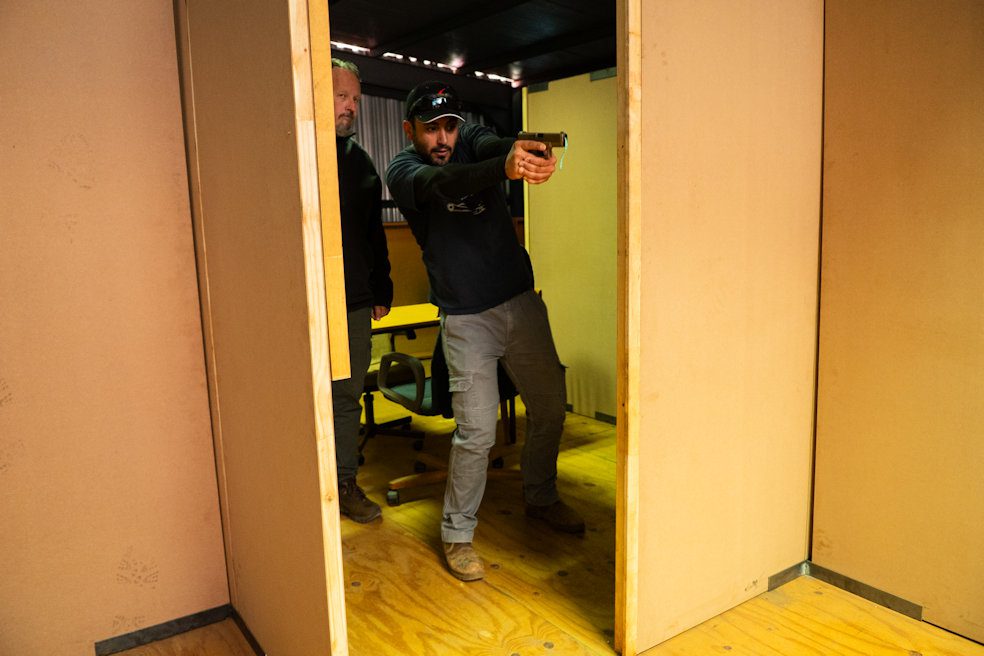
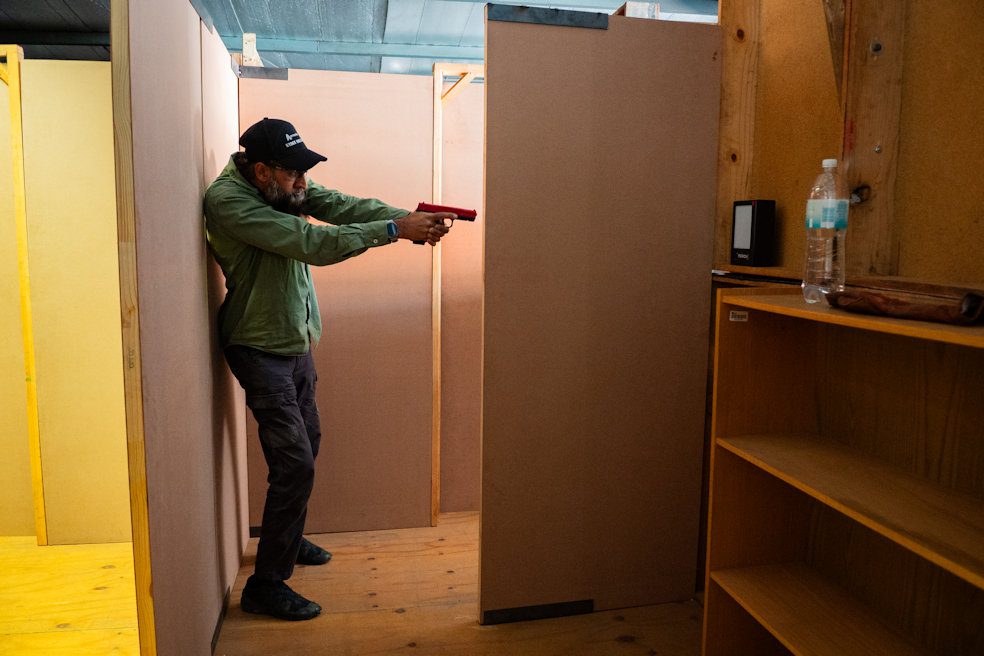
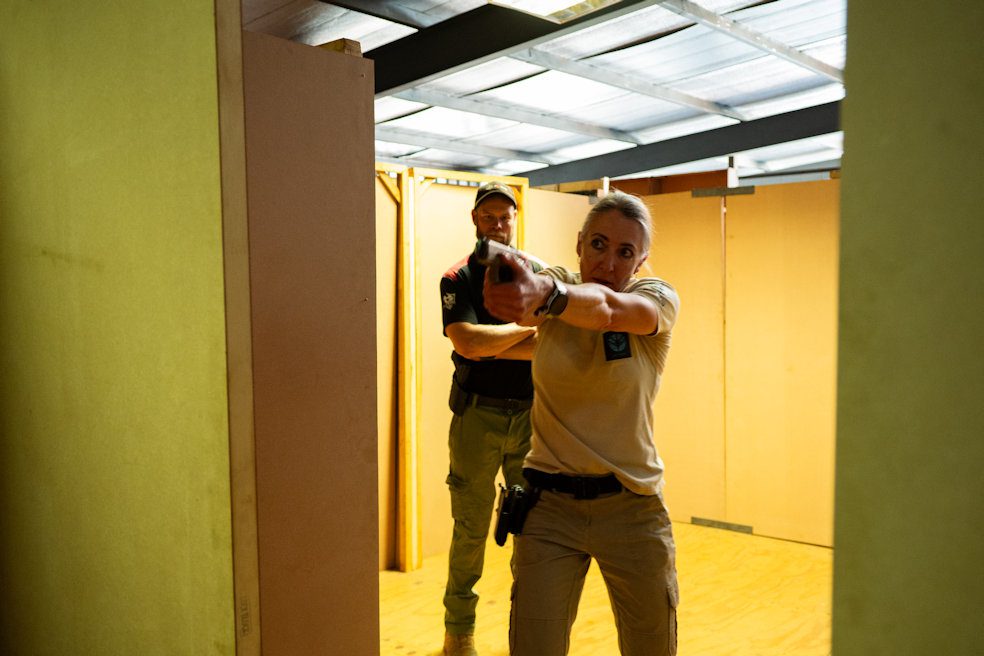
“This is real footage from our CQB program — no staged actors, no theory, only practical application.”
The Reality
When someone kicks your door in at 03:00, your family doesn’t need theory — they need you to move, think and fight without shooting the wrong person.
Home Defence & Room Clearing (Home Defence CQB) is a modular course that teaches ordinary firearm owners how to fight their way through a real South African home invasion or farm attack scenario.
No fantasy. No cosplay.
Just one armed civilian protecting their loved ones inside a house.

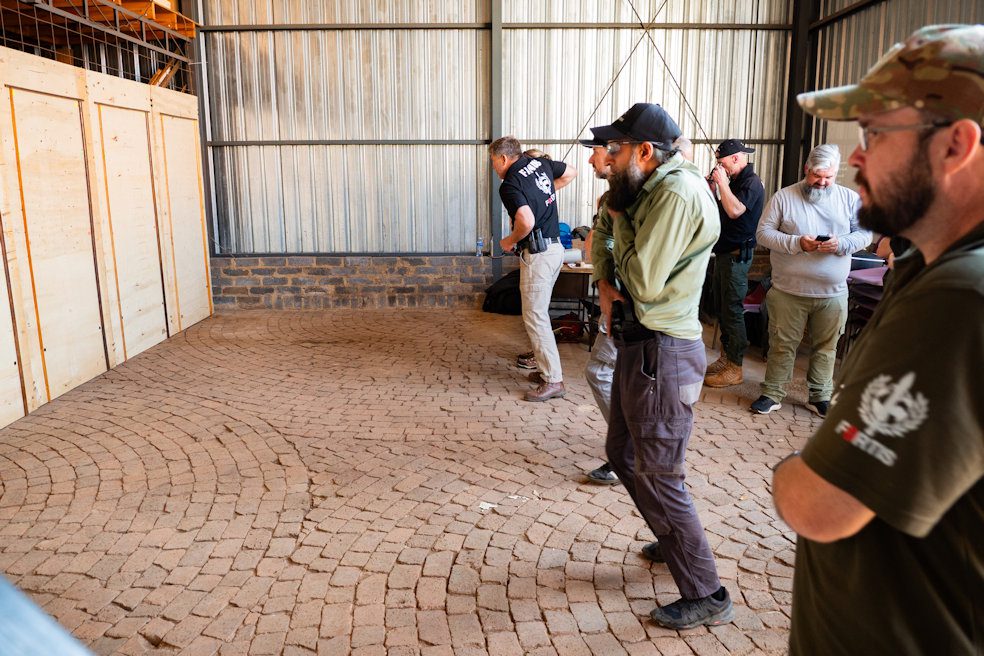
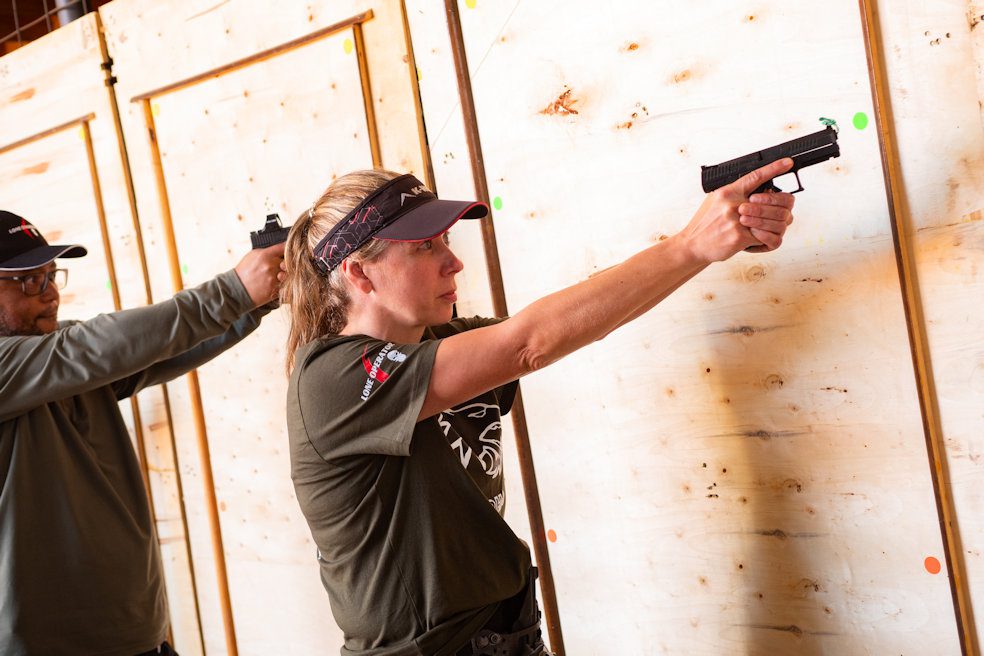
“Live movement drills inside our modular killhouse.”
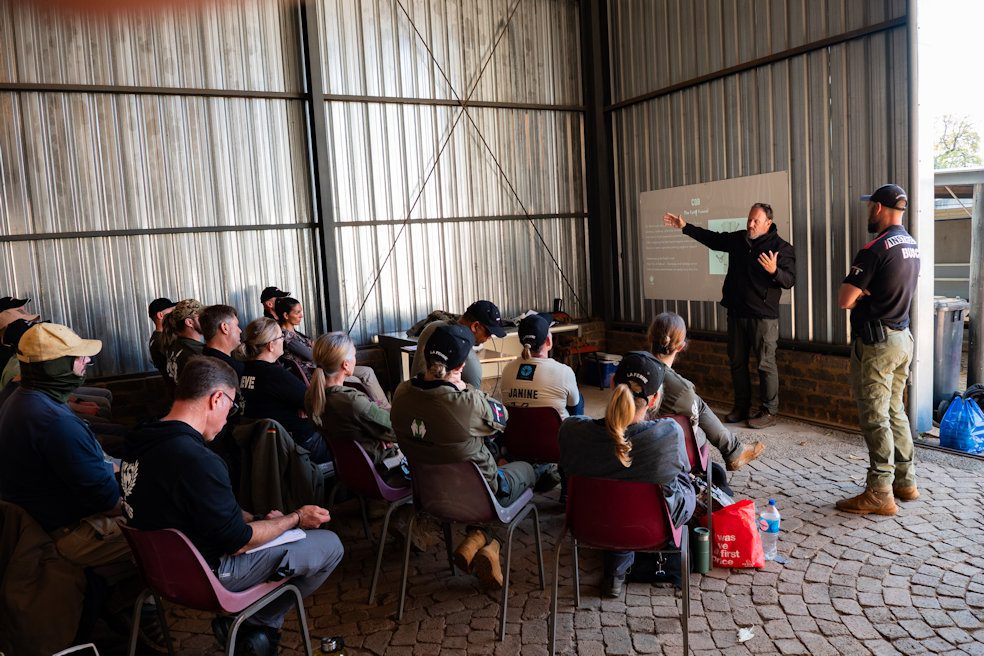
This is an intermediate to advanced course.
Because of the fast pace and confined environments of CQB, students must already be confident with:
If you’re still developing these skills, we recommend completing Intro to Handgun or Combat Handgun first.
These courses will prepare you properly for CQB and ensure you get the maximum value from the training.


Two Training Pathways
Our CQB program is designed for two types of clients.
We train in two logical phases:
Phase 1 – Survive the First 30 Seconds
Focus: You alone, moving to your family, not getting shot, not shooting the wrong person.
Phase 2 – Fight Through the House
Focus: Night, noise, smoke, screaming, force-on-force and full home-invasion missions.
Each phase consists of three modules. You can book Phase 1 alone, but the full experience is Phase 1 + Phase 2.
Designed for professional or volunteer teams operating in high-risk environments.
This pathway runs over 6 modules with additional team-based work.
Progressive Training
Each module builds on the previous one — concepts, movement, and decision-making become progressively more advanced.
Completing every module ensures you are competent, confident, and safe in real-world CQB environments.
Training Environment
The non-shooting modules of this course are conducted in our state-of-the-art, purpose-built modular killhouse in Pretoria North — one of the very few facilities of its kind in South Africa.
This dynamic environment is critical for developing adaptable strategies, improving decision-making under pressure, and preventing training complacency.
No two training sessions are ever the same — just like in real defensive encounters.


Individual Home Defence Pathway
Designed for homeowners who want practical, reality-based defensive capability inside a residential environment.
Core CQB principles, angles, doorways, movement, safe structure navigation and essential proficiency drills.
New layouts, unfamiliar room structures, movement under pressure, tactical decision-making and scenario-driven engagements.
Dynamic live-fire, accuracy under pressure, safe engagement protocols and real-world defensive application.
Low-light/no-light navigation, lights, threat identification in darkness and managing angles when visibility is limited.
Applying CQB principles in darkness, stress-based live-fire, threat identification and accuracy under low-light.
Full-sequence scenario from entry to resolution, pressure testing decision-making, safety and tactical fluency.
Phase 1 is where your survival lives. Phase 2 is where the chaos starts.
For security companies, CPFs and professional response teams we offer a separate Team CQB program that focuses on 2- and 4-man team tactics, built around your operational environment.
Training can be done with handgun, carbine, or shotgun depending on client requirements.
For units who want to progress into scenario-based team operations, night operations, and complex environment challenges.
Our CQB program is currently presented in Pretoria, using two dedicated training environments:
Used for close-quarters movement, room entries, low-light training and scenario work.
Used for live-fire components and open-area movement drills.
Primary: handgun / EDC pistol
Carbine integration available for custom groups and farm-focused packages.
Full kit list will be shared once you’ve registered.
We offer dedicated CQB training solutions for security teams, farm watch structures, armed response units, and CPF groups. Training packages are customised to your team size, firearm platforms, and operational requirements.
CQB is being rolled out to other provinces soon.
Join the waiting list to be notified when training opens in your area.
Questions
No. You must already be safe and reasonably competent with your firearm. If you’re unsure, start with Lone Operator Level 1.
You can complete Phase 1 as a stand-alone block. However, Phase 2 is where you experience full low-light, smoke and force-on-force missions. Most students who finish Phase 1 immediately book Phase 2.
Yes. Although the curriculum is built around the solo defender, spouses often train together to build a shared home-defence plan.
Yes. We have a separate Team CQB program specifically for security companies, CPFs and farm response teams.
If you keep a firearm to protect your family, you owe it to them to train in the environment you’re most likely to fight in — your house.
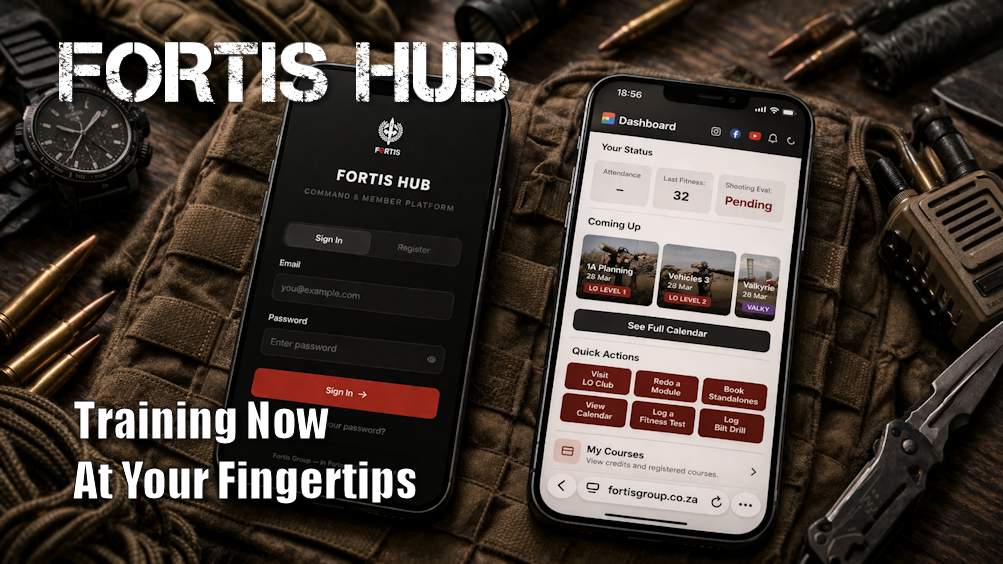
Fortis Hub
After clicking the button below, you’ll be guided through your course selection, dates, and payment on the FORTIS HUB.

Having a firearm is step one — this is where it becomes a skill.
All Fortis course bookings are now handled through the Fortis Hub.
This is a 2-step process:
Step 1:
Register and complete payment for your course.
Step 2:
Log into the Hub and assign your credit to the specific course date you want to attend.
You are not fully booked until your credit has been assigned to a course date.
This step is critical — don’t skip it.
(select from the available starts)